

The Vans in the Back Lot is an essay on organizational debt for leadership teams deciding whether their organization needs to change. It shows how the structures, policies and measures that produced past success keep running after their purpose has gone, and how a team can find the few that now block the flow of value.
Success leaves behind processes that outlive their reasons
The leaders I work with describe the same run of problems: dissatisfied customers, disengaged employees, long release cycles and no capacity left to innovate. Each problem tends to get its own initiative, and the problems come back. In my experience, part of the cause is older than any of them: rules, routines and controls that made a company successful and still run after their reasons have gone, a build-up known as organizational debt. A few of those rules, routines and controls slow everything a company delivers, and a case for change begins by finding those few.
Some years ago I worked for a library software company tucked into the woods of West Virginia, a few hours outside the Washington Beltway. Three new silver minivans sat in its back lot, and they left it now and then to collect colleagues arriving from New York on the Amtrak Acela. Before the internet, staff drove them to the Library of Congress to collect machine-readable cataloging records, which libraries share. The vans took the records to Dulles Airport for a flight to Japan, where they were converted to CD-ROM. When the discs flew back, the vans brought them to the office to be loaded into the software customers received. The vans ran so often that the company replaced them every two years.
The vans had no work left by the time I arrived. The Library of Congress now offered its records online, and the company could load them straight into its subscription service. I asked an innocent question: "Why are the vans still there?" Nobody had asked that question for years.
An unneeded process survives because it still pays off for someone
The people who answered my question said the vans stayed because they still paid off for two parties inside the company. They called the vans a zombie process, dead in purpose and still walking. The chief financial officer, they said, liked depreciating the vans, and the founder liked the lower taxable income that the depreciation produced. Neither payoff created value for any customer, and the vans consumed cash. Dead processes also grow support processes: someone washed the vans every week, and someone scheduled their maintenance. Last I heard, the vans were still there.
Organizational debt builds up one sensible decision at a time
Organizational debt builds up as a company grows, matures and adds the structures, policies, rules, norms and taboos that suit its size and the business it already runs. In my experience, most begin as compensating controls, which are workarounds put in place to offset a limit of the operating model of the day or to reduce a risk. Each one made sense on the day it arrived.
Organizational debt accrues interest the way technical debt does in software. An organization that keeps the controls of a past operating model is borrowing against its future agility, meaning its ability to adapt, and it pays the interest in slower delivery of value to customers. When a competitor arrives, a technology changes or a market shifts, those controls keep enforcing the way things used to work. One measure of the debt is the distance between the structure and culture an organization says it has and the structure and culture its people practice every day.
Recurring problems often trace back to one constraint
Organizational debt costs a company in two ways. Some of it, like the vans, drains cash. Some of it sits at a point all the work must pass through, and that debt sets the pace for everything the company delivers. Debt of the second kind, in my experience, is what brings the same problems back. I sometimes tell leaders, "If you have so many fires in your organization, you should consider the possibility that you have an arsonist in your midst."
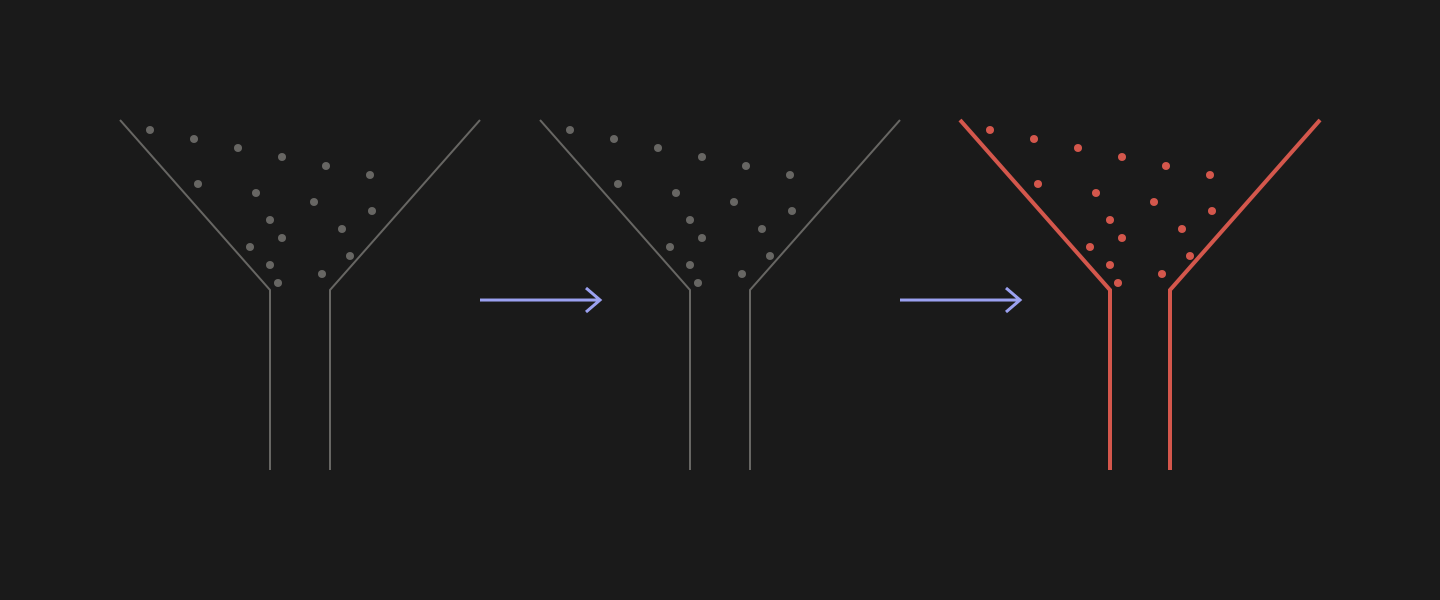
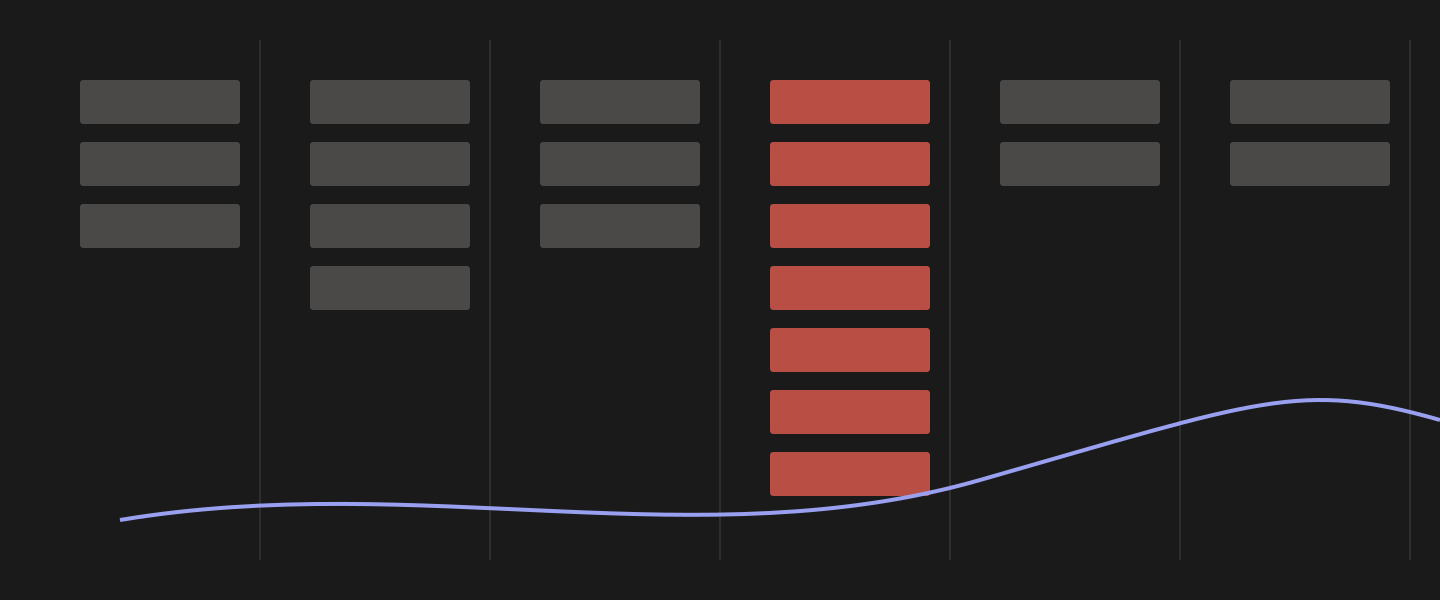
The arsonist is often a constraint that began as old debt: one bottleneck, policy or measure that slows delivery to customers and starts the next fire. The discipline I recommend, known as the Theory of Constraints, works on one constraint at a time: find the one that limits the whole system and get the most from it. Organize the rest of the work around that constraint. Then relieve the constraint, and look for the next one before habit turns the old fix into new debt. The order matters because an improvement anywhere other than the constraint leaves the pace of the whole system unchanged.
A case for change names the obstacle before it names the remedy
I ask a leadership team one question before any other: why change at all. Three more questions follow in order: what to change, what to change to and how to cause the change. Answering the first question means naming the obstacle so the whole team agrees it exists. Until the team has named the obstacle, any answer to the other three questions is a guess.
Skipping that first question produces a familiar story. A senior leader on a flight reads a magazine piece about scaling Agile across the enterprise and brings the idea back to the office. Nobody has mapped the constraints or agreed on the risks, yet the company hires expensive consultants and spends heavily on "installing Agile." Later someone says, "Well, we spent a lot of money and our situation didn't get much better."
The work starts with questions a team can ask on Monday. Which constraints stop us from innovating or delivering value? Where does the way we say we work differ from the way we actually work? For each process we keep, what value does it create, and what risk does it reduce? Where a control still reduces a real risk, the team pays the debt down the way engineers refactor code: it keeps the outcome the control protects, builds that outcome into the new way of working, and retires the control. Where a process creates no value and reduces no risk, the team has found a van in the back lot.
To see how leadership teams put these ideas to work, explore the talk The One Thing in the Way: Strategy Design for Organizations in Motion, or request a briefing.
Questions leaders ask about organizational debt
What is organizational debt?
Organizational debt is the build-up of structures, policies, rules and norms that suited a company's past size and business and still run after their reasons have gone. In my experience, most of them begin as compensating controls: workarounds that offset a limit of the operating model of the day or reduce a risk. Each one made sense when it arrived.
How do you find organizational debt?
You find organizational debt by questioning each process the company keeps. Ask which constraints stop you from innovating or delivering value, and where your stated way of working differs from daily practice. For each process, ask what value it creates and what risk it reduces. A process that does neither is a zombie process, dead in purpose and still running.
Why do the same problems keep coming back after each new initiative?
In my experience, the same problems come back because organizational debt sits at a point all the work must pass through. Often the debt is one constraint, a bottleneck, policy or measure that slows delivery to customers. An improvement anywhere else leaves the pace of the system unchanged, so each new initiative should begin by finding that constraint.
References (3)
- Steve Blank, "Organizational Debt is like Technical debt, but worse", Steve Blank (blog), 19 May 2015. https://steveblank.com/2015/05/19/organizational-debt-is-like-technical-debt-but-worse/
- Ward Cunningham, "The WyCash Portfolio Management System," experience report, OOPSLA '92, 1992. https://c2.com/doc/oopsla92.html
- Eliyahu M. Goldratt, What Is This Thing Called Theory of Constraints and How Should It Be Implemented?, North River Press, 1990.
William Haas Evans
Founder and chief strategy officer of Fugue Strategy Advisors. He works with leadership teams on strategy design, strategic foresight and organization design. More about William