"All music is what awakes from you when you are reminded by the instruments." Walt Whitman, "A Song for Occupations" (1855)
The architecture lives in the connections
Pour a box of LEGO bricks onto the floor and something wakes up in the child who sits down beside them. It lives in the connection points, the studs and tubes that let a brick made decades ago join one made today, and in the grammar of assembly a child learns by building.
Architecture happens where the bricks join, and music happens where players meet the notes. Both come alive where structure meets practice. Living systems work the same way. They keep a stable identity while they change continuously. They coordinate without central control. They adapt locally while serving the whole. They sense their environment and respond faster than any planning cycle.
Most organizations are designed for control
Few organizations work like that. Most organize their parts for control, so feedback moves at the speed of approval and the people who sense a change are separated from the people allowed to respond. Their structure isolates each part to optimize it, and the connections that would let the parts act together go undesigned.
Some organizations learn to breathe. They improvise coherently and keep their identity. They coordinate by sensing and responding, and they treat the plan as one instrument among several. They know how to swing.
Coordination comes from designed structure that people make their own
An organization learns to improvise through structure its people have absorbed. Removing structure produces chaos, and rigid structure produces control, and the capacity to respond grows from a third kind of structure. The sociologist Pierre Bourdieu described a third possibility: structuring structures, frameworks formed by past experience that in turn form future practice.
Bourdieu's word for the result was habitus, dispositions so deeply learned that people act together faster than they could deliberate. Years of deliberate practice create patterns of perception and response that come to feel natural. Nobody stops to think about how to act, because the structure has become part of them. In Outline of a Theory of Practice (1977), Bourdieu described the practices habitus produces as "collectively orchestrated without being the product of the orchestrating action of a conductor."
Jazz ensembles practice this every night
Jazz musicians work inside this reality. Duke Ellington led a large orchestra from the piano bench without dictating every note. John Coltrane's quartet sustained long performances over very little harmonic structure. Art Blakey's Jazz Messengers rotated young musicians through the band, so each generation learned from the one before and every performance served as both rehearsal and concert.
Each of these ensembles had structure: a tune, a form, a tempo, roles and agreed signals. The structure was small, shared and practiced until it disappeared into the playing, and it left the musicians free to respond to one another.
The design question for a leadership team
When change in the environment outpaces the planning cycle, the ability to improvise decides whether an organization adapts. The question for a leadership team is whether its roles, rhythms, rituals and decision rights let people respond together or make them wait for permission.
Designing those conditions is the second craft of strategy: the craft of the roles, rhythms, rituals and constraints in which judgment is exercised. It asks what must stay stable so everything else can move: which few agreements everyone shares, which decisions sit closest to the work, and which rhythms let the organization sense and correct itself.
Strategy Is the Making, Chapter 03, "The Living System," develops this argument in full. If your organization coordinates through approvals and wants to coordinate through practice, request a briefing.
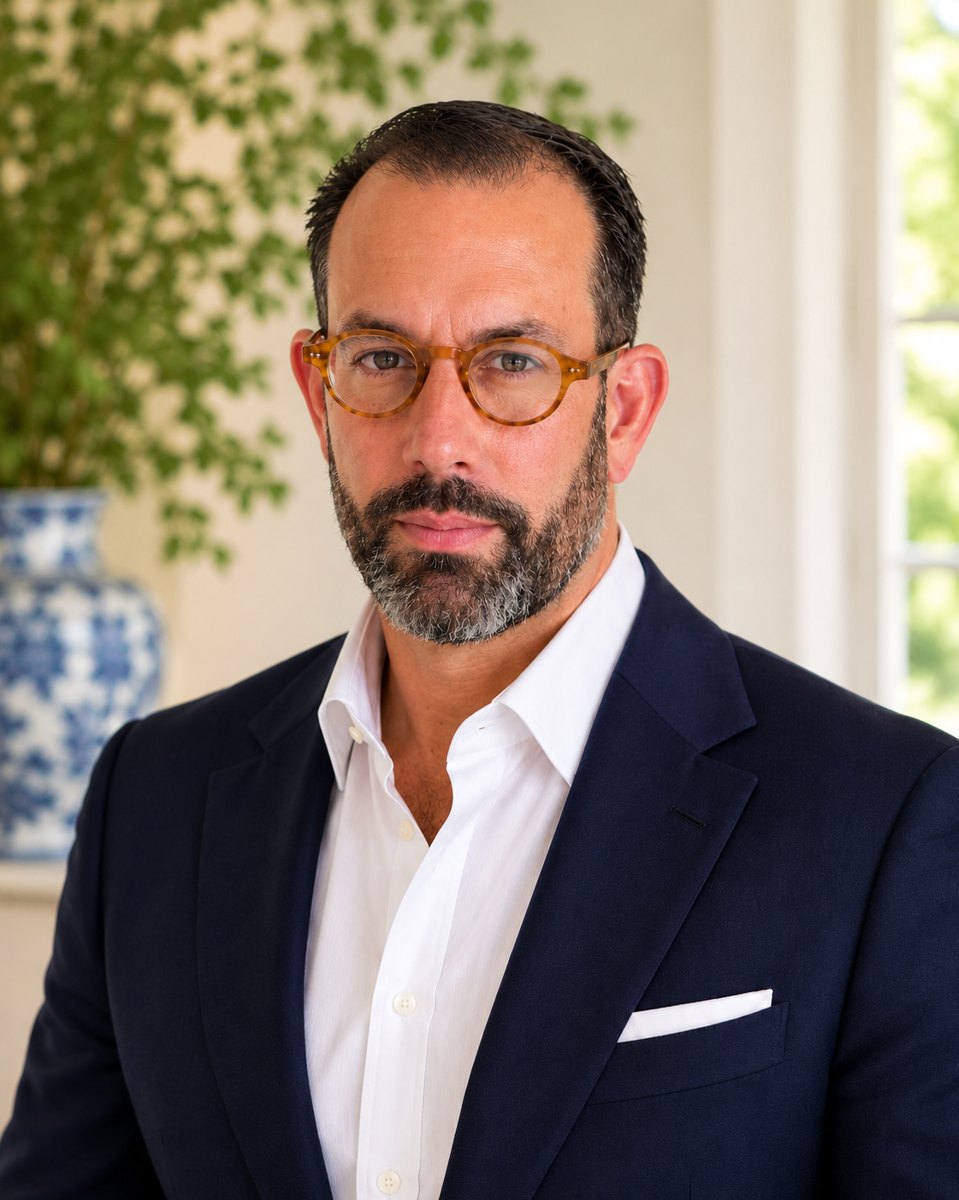
William Haas Evans
Founder and chief strategy officer of Fugue Strategy Advisors. He works with leadership teams on strategy design, strategic foresight and organization design. More about William