
AI in Action: Field Guide
Updated: Dec 3, 2025

A Field Report for Anyone Who Wants to Try This
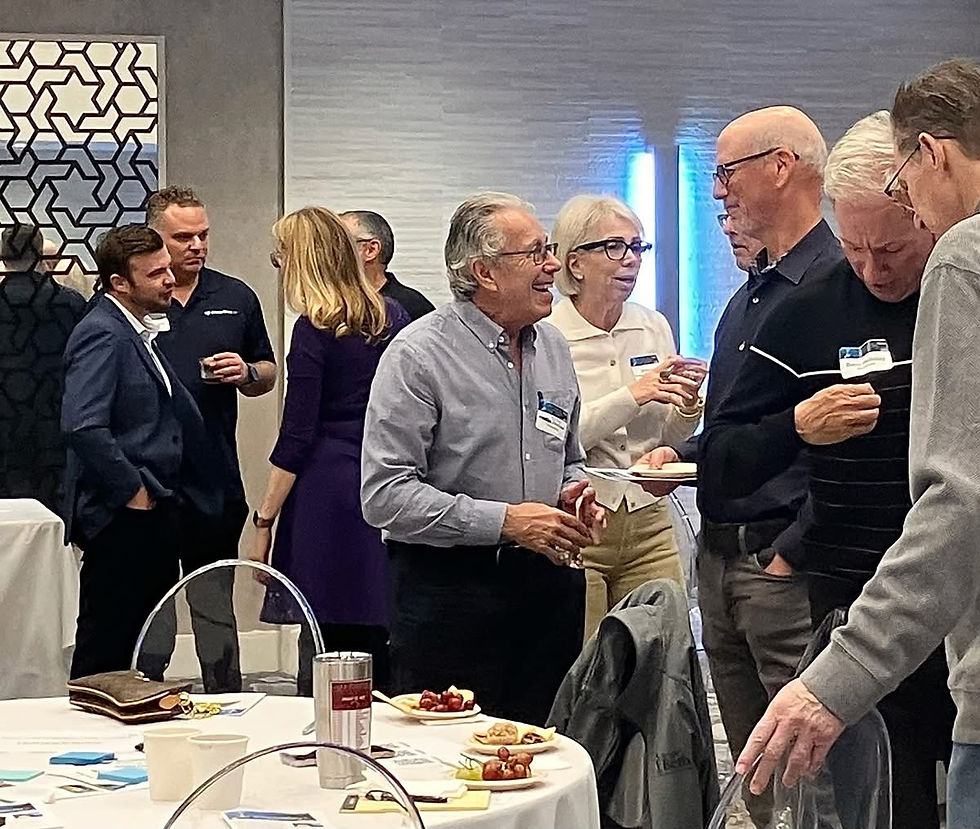
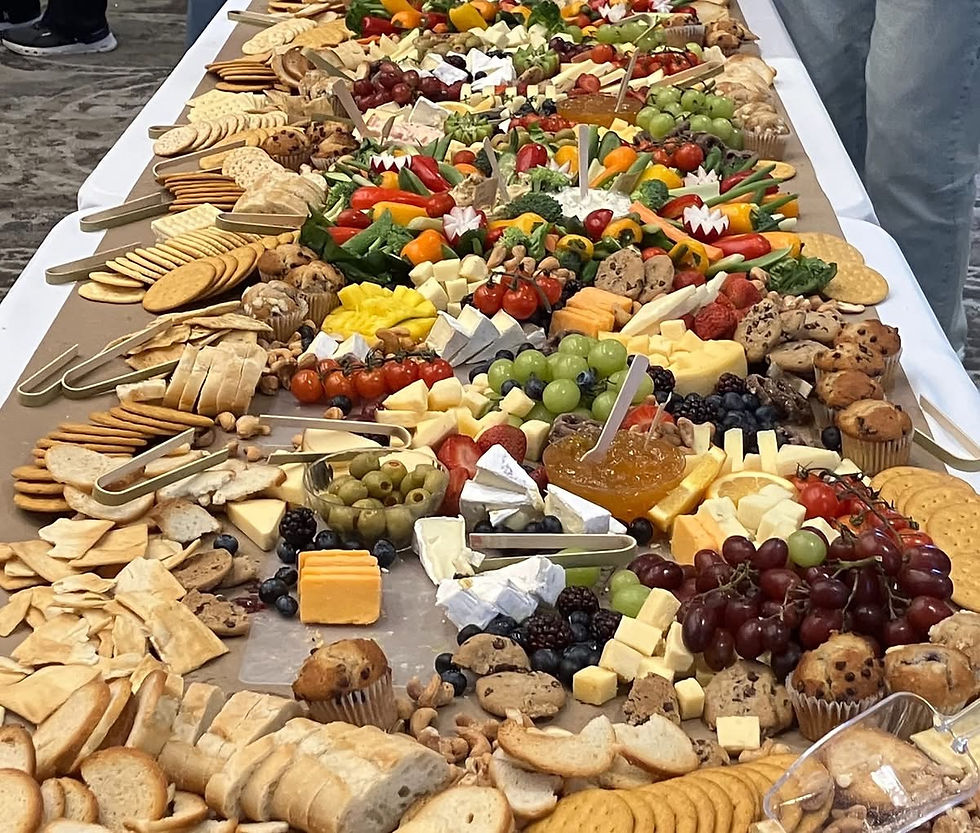
The room was full at 730PM when Rabbi Greg offered the blessing. Standing room only. Temple Beth El Brotherhood had created the space, Andrew James from Slalom was gracious enough to sponsor refreshments, and the buzz in the room told you people were ready for something more than another stale tech presentation.
After brief introductions by Steven Schiff, he handed the mic to Brotherhood Co-President Hayden Trepeck who had worked tirelessly to pull this event together.
Hayden energized the room by asking everyone a simple Ice Breaker question which they would answer on a post-it note:

The room started buzzing. People started talking. Hayden's simple question broke the ice, but more importantly enabled us to adjust the questions for the panelists based on an initial feedback loop and some data. (This method is good at opening an audience up, getting them to make a low-risk commitment to collaboration.)
We kept the format simple. Three practitioners deeply engaged with AI from different perspectives. Karin Klein from Bloomberg Beta has been investing in AI since 2013, deploying $450 million into companies like Replit and MasterClass. She sees where smart money flows and why. Tanner Stevens from Slalom, named 2025 Google Cloud AI Partner of the Year, builds AI systems at scale for Fortune 500 companies. He knows what works in production and what dies there. Matt Savarick, serial entrepreneur who's built multiple companies past $100 million, now CEO of Vibe GTM and part of the Headspace Health founding team. He understands both entrepreneurship and the human side of transformation.
Investment strategy, future of work and learning, enterprise innovation, entrepreneurial leadership. Forty-five minutes of structured conversation where I asked questions and followed interesting threads when they emerged. Then we opened into something more participatory, and that's where the evening really came alive.
The Panel Conversation

I prepared 24 questions across 4 frames, used six. The panelists sat facing the audience but angled toward each other, so it felt like eavesdropping on a good conversation rather than watching a performance.

As a room, explored where AI actually creates value versus where it's still mostly promise. We talked about the gap between pilot projects and production systems, and why most organizations get stuck there. We discussed how to know if a problem is actually solvable with current AI capabilities. The conversation built naturally, each answer creating space for the next question. People brought up recent news and challenges related to education, up-skilling, and climate change.
The Hands-On Working Phase
After forty-five minutes, we shifted gears completely.
This is where the real learning and fun happened.
People moved into table groups with post-its, sharpies, and instruction sets printed at each table and started working through seven actual use cases. Here's what made it effective: we had them download GenAI apps right there in the room and start using them. Not in some hypothetical future scenario. Right now. For the problems they were actually discussing.

We used QR codes printed for everything to increase affordance. Wifi access was printed out as well. App downloads. Which became its own teaching moment. Someone pointed out that QR codes are machine vision, AI reading and interpreting visual information. That the technology they were using to access the wifi was the same technology that lets autonomous vehicles read street signs. Suddenly it wasn't some distant science fiction. It was already in their pockets, already part of how they moved through the world.
This is what we were after. Not wonder or fear, but informed engagement. The post-its filled up with practical observations. "Good for first drafts, terrible at final versions." "Speeds up research, doesn't replace expertise or judgement."
What Made It Work
Rabbi Greg's blessing at the start set a tone of intention and community. This wasn't another tech talk. It was our community exploring something that matters.

The physical setup mattered more than we expected. Round tables, not theater seating. People could see each other, talk to neighbors, work together. The room felt collaborative from the start.
The hands-on piece and experimental approach transformed the conversation. Once people had actually used the technology, the questions got sharper. Less "will this replace my job?" and more "how do I know when to use this versus doing it myself?" Less abstraction, more practical judgment.
The Template for Others
If you want to run something similar, here's what worked:
Start with experts and practitioners who've done the work and can talk honestly about failure, not just success.
Keep the panel(s) under forty-five minutes. Keep any talks under 18 minutes. Use the rest of the time for hands-on exploration, collaboration, group work, and read-outs.
Make the technology tangible. Have people download apps and use them right there. Give them real problems to test against. Let them see what works and what doesn't through direct experience.
Use everyday examples to demystify. The QR code moment was accidental but powerful. AI isn't just ChatGPT. It's recommendation engines, voice assistants, fraud detection, the autocomplete in their email. Once people see how much they're already using, the conversation shifts from fear to capability assessment.
Physical setup matters. Sweat these details. Round tables. Post-its. Sharpies. Name Tags. Print instructions as placemats. The infrastructure of collaboration. You want people talking to each other, not just listening to a stage. Get those hands busy doing something other than doom-scrolling.
Find someone who can frame, and recenter the conversation around why AI matters beyond the technology. Rabbi Greg reminded us we were exploring these tools through the lens of our tradition, not just how to use them, but how to exercise judgement because the consequences could be profound.
Partner with great staff. Make it a collaboration. Talk about outcomes, not requirements. Realize they are busy professionals so make it easy for them.
What We Learned
The sophistication isn't in production value. It's in creating space for genuine exploration. Trust your audience. They came with good questions. I came with 24 questions. I primed the room with the first panelist questions. Give the audience room to ask what matters to them and tools to explore the answers.
The hands-on piece needs to be real, not simulated. Downloading actual apps, solving actual problems (in a group discussion), seeing actual results. That's where demystification happens. Not in explanation, but in experience.
South Florida needs more of these conversations. If you want to run something similar, the format intentionally leverages OpenSource Methods. Gather good people around good questions within light constraints. Give them space to think together and tools to explore.
Make the technology tangible. Let learning happen through doing.

Resources Available
Contact me at will@fuguestrategy.com for the full question list, facilitation notes, activity structures, and setup details. We'll share what worked and what we'd change. That's how these things get better.
Special Thanks: TBE Brotherhood, Mike Sirowitz and Temple Beth El, Rabbi Greg Weisman, Andrew James and Tanner Stevens from Slalom, and everyone who showed up and made this work by creating space for exploration.
That's the work worth doing.


Comments